
Madagascar is a beautiful and vast island located in the Indian Ocean. Many foreigners are interested in the opportunity to spend their vacations there and others are thinking of settling there or expatriate to Madagascar permanently. This is not surprising because there are thousands of wonders to explore.
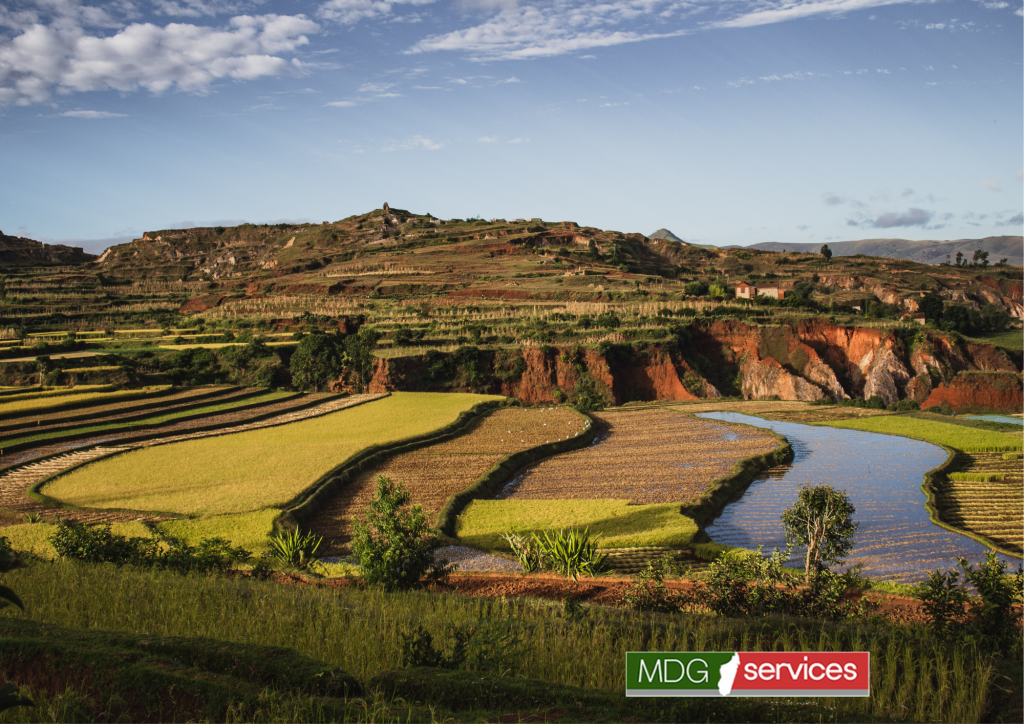
Expatriation to Madagascar
First and foremost, the Malagasy people are incredibly warm and welcoming. Despite the disparity in living standards between Madagascar and other countries, living in Madagascar is an excellent choice. Settling in or expatriate to Madagascar is a very worthwhile experience, as it allows you to discover the island’s treasures: animal species such as lemurs, reptiles, whales on Île Sainte Marie, and the fossa, as well as plant species like Didierea madagascariensis, Cedrelopsis grevei, Pachypodium geayi, and many others.
Don’t overlook the magnificent beaches of Nosy Be, such as Nosy Sakatia, Andilana, Nosy Tanileky, Nosy Iranja, Nosy Komba, Madirokely, and Ambatoloaka. You can’t miss the baobab tree of Majunga, Lake Tritriva in Antsirabe, or the cultural festivals such as the beach festival, the Donia Festival, Madajazzcar, the Mosaïque Festival, and many more.
Furthermore, to travel to Madagascar, you will obviously need to apply for a visa. MDG Services can assist you with the necessary visa application procedures.
The main Malagasy cultures and traditional customs
The traditional wedding called “the vodiondry”.
The vodiondry ceremony unfolds as follows:
- First, two orators, called “mpikabary,” are present to exchange speeches. The first, from the young man’s family, extols his virtues in his speech, aiming to charm and persuade the bride’s future family.
- Next, the bride’s “mpikabary” speaks, describing her family’s values. Thus, one represents the bride’s family and the other the groom’s. Each speaker can take several hours to speak. During their speeches, both mention the names of the ancestors to establish whether or not there is a blood relationship between the future spouses.
- Finally, the young man gives money in an envelope to the bride’s parents and brothers. This gesture is a form of compensation for the woman’s absence from her family.
The vodiondry (a traditional Malagasy ceremony) holds great importance for Malagasy people as a way to express their respect for elders. In this way, the young man’s marriage proposal is no longer limited to the girl herself, but is also addressed to her parents and entire family.
Circumcision or “famorana”
Circumcision appeared around 1981. It involves amputating part of the male genitalia. The main reason is that, following this practice, the child will become a true man. It is performed during the cold season called “ririnina” in Madagascar, from June to August. At the end of the circumcision, the whole family congratulates the boy by singing: “Arahaba ririnina”.
The “famadihana” or exhumation:
In Madagascar, unlike in other countries, simply burying the deceased is not enough. The Malagasy people practice the famous “famadihana.” The aim is to wrap the dead person in a new shroud, also known as “Lambamena.” It takes place from June to September. The celebrations that accompany the ritual are spectacular: traditional music and a large feast.
Malagasy values that expatriates should know
The “valimbabena” tradition
Young people practice “valimbabena,” which means that when you were very young, your mother carried you on her back, and when you grow up, you should do the same for your parents when they are old. More specifically, helping your parents and taking care of them, since they will no longer have the strength to take care of themselves.
The “solombodiakoho” or chicken substitute
In Malagasy culture, fathers and mothers traditionally celebrate their “solombodiakoho” at the beginning of the new year. It is given by the children of the family as a way of honoring them.
“Tso drano” or blessing
As previously mentioned, civil marriage is an integral part of Malagasy culture. The “tso drano” refers to the words expressing wishes or blessings addressed by parents to their children during the ceremony. These words hold great significance for those who hear them. It is also expressed when a child leaves to go abroad, wishing them all the best.
For assistance with your relocation to Madagascar, please do not hesitate to contact us.